
Education
Are diamonds obtained through mining considered scarce or rare?
19 February 2024 · 2 min read
Unveiling the Hidden Realities of the Mined Diamond Industry:
Welcome to our latest exploration into the world of diamonds, where we unveil truths that the mined diamond industry prefers to keep in the shadows. Contrary to the pervasive narrative fuelled by massive global marketing campaigns, we expose the fact that mined diamonds are not as rare as consumers have been made to believe.
At Selene Origins, we are committed to sharing only the authentic insights gained from being true industry insiders. As a conscientious company, Selene Origins stands firm in its ethical stance against selling mined diamonds. Our decision is rooted in extensive research, and we are eager to share the reasons behind this choice, shedding light on information often obscured by companies vested in the mined diamond trade.
The Mined Diamond Dilemma
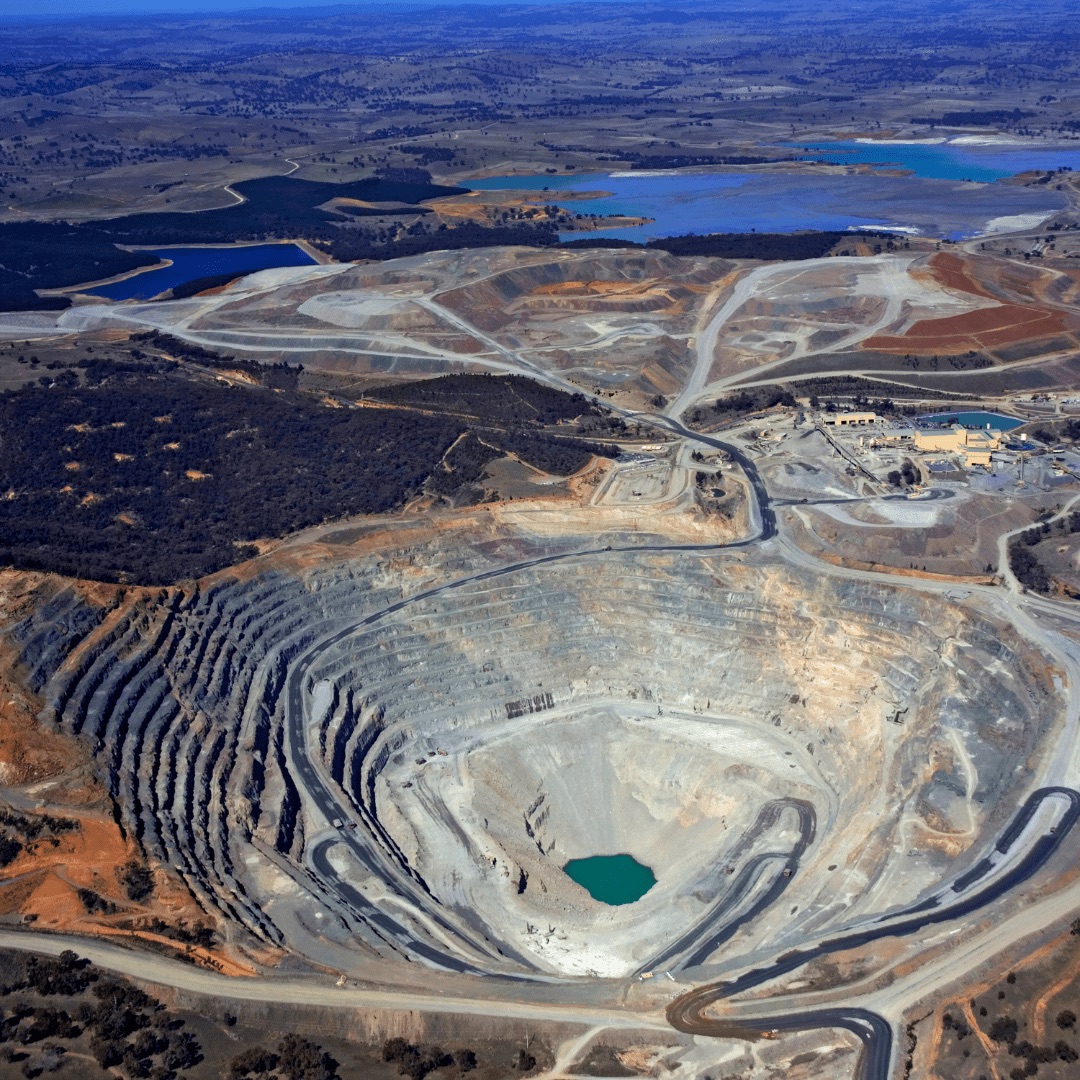
A critical question arises: How many diamonds are yet to be unearthed? To contextualise this, consider the renowned Argyle mine in Western Australia, a global diamond production giant for 37 years. Despite reaching staggering production levels, with up to 42 million carats mined in 1994 alone, the mine faced closure in 2020. The culprit? Rising operational costs and a saturated diamond market where supply outpaced demand.
Understanding the Market Dynamics
In essence, the mined diamond market is inundated with diamonds to the extent that even historically successful mines struggle to turn a profit. The demise of the Argyle mine serves as a stark example, as its closure was prompted by financial losses attributed to operational costs and a stagnant diamond market.
The Eternal Circulation of Diamonds
“Diamonds are forever“; a well-known adage, perfectly encapsulates the perpetual nature of diamonds within the market. Unlike disposable items, diamonds endure, continuously circulating. Once a consumer no longer desires their diamond, it enters a cycle of resale, recutting, certification, and reintroduction into the market as a seemingly “new” diamond. This unbroken cycle, combined with ongoing diamond mining, results in a surplus of diamonds, surpassing market demand.
A Legacy of Overproduction
The root cause of the surplus lies in the last 140 years of mass diamond production. From 1880 to 1919, diamond prices plummeted by 50%. Only when De Beers intervened, implementing supply restrictions and a powerful marketing campaign, did diamond prices start to rise.
The Inescapable Truth
The colossal volume of diamonds unearthed, especially in the past 140 years, ensures a continuous circulation that defies scarcity and rarity. Even as the global population grows, it pales in significance compared to the persistent supply of diamonds. In summary, mined diamonds are not the rare gems consumers believe them to be; the market is oversaturated, leading to operational closures and a lack of scarcity.
At Selene Origins, we prioritise transparency and ethical choices, steering clear of mined diamonds to offer you jewellery that resonates with our commitment to authenticity and sustainability.
Explore the world of diamonds with confidence at Selene Origins, where we provide transparency, authenticity, and a commitment to helping you find the perfect diamond that resonates with your values and style.